
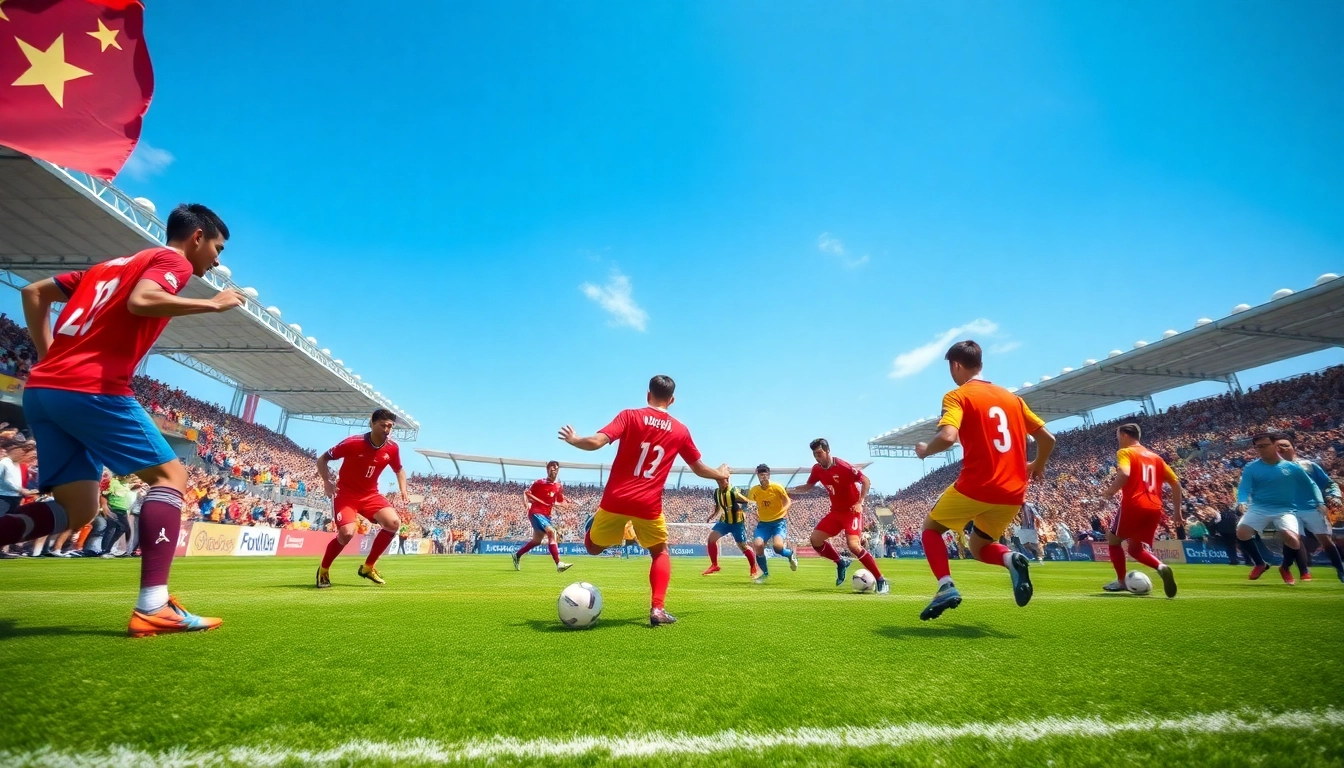
What is Giao Hữu ĐTQG?
Giao Hữu ĐTQG, or National Friendlies, refers to international matches played between national teams outside the official competitive framework. These matches serve several significant purposes within the global football ecosystem. For many nations, they provide an essential platform for preparation ahead of major tournaments, allowing coaches to experiment with tactics, evaluate player capabilities, and establish team chemistry. When exploring options, Giao Hữu ĐTQG offers comprehensive insights into these pivotal fixtures, highlighting their impact and relevance in contemporary football.
Definition and Purpose of National Friendlies
The primary goal of Giao Hữu ĐTQG matches is to allow national teams the opportunity to refine their skills, test new strategies, and assess the form of players in a pressure-free environment. Unlike competitive fixtures, these matches are intended purely for preparation and development. National teams often utilize these games to include younger or less experienced players, providing them with vital exposure to international play without the immediate pressure of a tournament.
Importance in Football Development
Friendlies play a crucial role in the development of football at both national and grassroots levels. They allow teams to build upon previous experiences and create a stronger foundation before entering more significant competitions like the World Cup or continental championships. These matches can sometimes lead to unexpected outcomes that not only entertain fans but also provide learning experiences for both players and coaches.
Key Characteristics of Giao Hữu ĐTQG Matches
- Non-competitive nature allows for relaxed performance assessments.
- Variety in opposition can expose teams to different play styles.
- Inclusion of younger talents provides essential game time and experience.
- Opportunities for tactical experimentation without dire consequences.
Historical Context of Giao Hữu ĐTQG
Historically, Giao Hữu ĐTQG matches have served as significant benchmarks in the evolution of international football. They not only reflect the changing landscape of the sport but also showcase moments that resonate deeply with fans worldwide.
Memorable Matches That Shaped Football History
Some Giao Hữu ĐTQG matches have become iconic due to their unexpected outcomes or high-profile storylines. For instance, the clash between Brazil and Germany in 2011 showcased some of the most brilliant tactical football, cementing its place in history. Similarly, Iceland's monumental victory over England in a friendly before EURO 2016 stunned fans and analysts alike, demonstrating that anything is possible in football.
Evolution of National Friendlies Over the Years
Over the decades, Giao Hữu ĐTQG matches have evolved in format and importance. Initially viewed merely as practice games, they have gained prominence with the introduction of FIFA's international windows, offering teams a more structured opportunity to compete against various foes for preparation and ranking purposes.
Significant Upsets and Surprises in Giao Hữu ĐTQG
Throughout history, several matches have defied expectations, such as when small footballing nations have triumphed against traditional powerhouses. These upsets not only provide excitement but also underscore the unpredictable nature of the sport, often leading to shifts in national team strategies and preparations for future competitions.
Organizing a Giao Hữu ĐTQG Match
Planning a Giao Hữu ĐTQG match involves meticulous organization and coordination among various stakeholders, from national football federations to local governing bodies.
Step-by-Step Process of Planning
The organization of a Giao Hữu ĐTQG match typically follows a structured process that includes several stages:
- Initial discussions between federations to agree on the match details.
- Securing a venue that meets both logistical and financial expectations.
- Promoting the match to maximize attendance and media coverage.
- Coordinating with security and local authorities to ensure safety during the event.
Logistical Challenges and Solutions
Coordinating a Giao Hữu ĐTQG match is not without its challenges. Common issues include travel arrangements for teams, accommodating fans, and ensuring all technical aspects (such as broadcasting) are flawlessly executed. To mitigate these challenges, organizers often rely on experienced agencies that specialize in sports events to provide logistical support and strategies.
Roles of Coaches and Players in Preparation
Coaches play a vital role in preparing teams for these matches by analyzing opponents, developing strategies, and making necessary adjustments. Players must be mentally and physically prepared, understanding their roles within the team framework while remaining adaptable to changes in strategy as the match progresses.
Strategic Implications of Giao Hữu ĐTQG
Giao Hữu ĐTQG matches hold significant strategic implications for national teams. The outcomes can reshape tactics, influence formations, and play a pivotal role in the selection process for future tournaments.
Influence on Team Tactics and Formations
These friendly matches present coaches with the opportunity to experiment with different formations and styles of play. By analyzing the performance of various tactics in real-time, they can make informed decisions about which systems to deploy during competitive fixtures.
Evaluating Player Performances and Talent Identification
Friendlies are crucial for evaluating player performances, especially for those on the fringes of the national team. Coaches can identify talent and potential leaders who can make an impact in crucial matches. Additionally, these games foster competition among players, motivating them to enhance their skills and efforts.
Impact on National Team Cohesion and Morale
Giao Hữu ĐTQG matches help build team cohesion as players come together to forge relationships and trust on and off the pitch. Success in these matches can bolster morale, while losses can serve as wake-up calls, emphasizing the need for improvement ahead of more important fixtures.
The Broader Influence of Giao Hữu ĐTQG
The impact of Giao Hữu ĐTQG extends beyond the field of play, influencing many aspects, including media interaction, economic growth, and cultural exchange.
Media Coverage and Public Engagement
These matches attract significant media interest, given their nature of featuring prominent teams and players. Coverage serves to engage fans and foster a sense of national pride, while also providing valuable exposure for sponsors and local businesses.
Economic Benefits for Host Nations
Hosting Giao Hữu ĐTQG matches can provide tremendous economic benefits for the host nation. The influx of visitors stimulates local economies by boosting sectors such as hospitality and retail. Furthermore, it provides an opportunity for the nation to showcase its culture and facilities to the world.
Cultural Exchange and International Relations Through Football
Football serves as a universal language, and Giao Hữu ĐTQG matches facilitate cultural exchange by bringing together fans and nations. These games promote goodwill, strengthen diplomatic relations, and encourage mutual respect among nations.
Conclusion
In summary, Giao Hữu ĐTQG are far more than mere exhibition matches; they are vital components of the global football fabric, influencing player development, team strategy, and national pride. As countries prepare for the next major tournaments, the insights gleaned from these fixtures will play a crucial role in shaping their paths forward. Embracing the significance of these matches allows fans, players, and nations alike to appreciate the beauty and complexity of football.