
Understanding Sports Broadcasting
Defining Sports Broadcasting
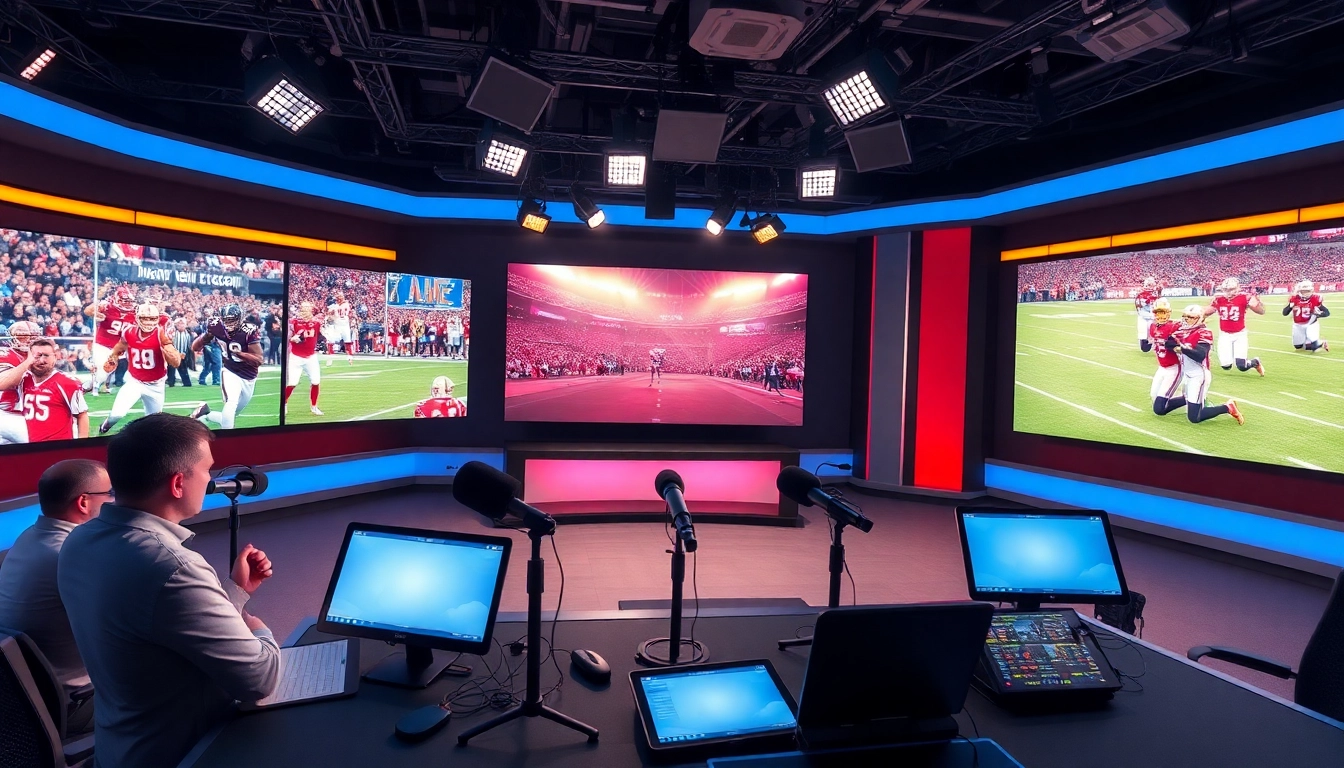
Sports broadcasting is the process of reporting, transmitting, and disseminating sports events through various media channels. This includes television, radio, streaming services, and online platforms. The essence of sports broadcasting lies not just in conveying the facts of the game but also in engaging audiences with compelling storytelling, expert commentary, and real-time analysis. With its growing influence, Sports Broadcasting plays a critical role in shaping the fan experience and fostering community around sports.
History and Evolution of Sports Broadcasting
The history of sports broadcasting dates back to the early 1920s when radio became a popular medium for live sports coverage. The first notable broadcast occurred in 1921 when a boxing match was aired, captivating audiences and marking the start of a new era. As television emerged in the 1950s, it revolutionized how sports events were consumed, providing visuals that heightened the viewing experience.
Throughout the years, technological advancements such as satellite broadcasting and the Internet have further transformed sports broadcasting. The introduction of 24-hour sports networks in the 1980s and the rise of digital streaming platforms in the 2000s expanded access to sports events, making it possible for fans to engage with their favorite sports anytime and anywhere.
Variety of Sports Broadcasting Platforms
Today, sports broadcasting encompasses a diverse array of platforms, including traditional television networks, radio stations, and online streaming services. Cable networks like ESPN and NBC Sports dominate the landscape, offering extensive coverage and expert analysis. However, the emergence of streaming giants like Amazon, Hulu, and DAZN has disrupted the market, providing viewers with flexible viewing options and exclusive content.
Social media platforms also play a pivotal role, allowing fans to access highlights, engage with sports personalities, and participate in discussions around live events. The variety of broadcasting platforms ensures that sports content is more accessible than ever, appealing to a broader audience than traditional channels alone.
Key Techniques in Sports Broadcasting
Effective Commentary Techniques
Effective commentary is at the heart of engaging sports broadcasting. Commentators must balance expert analysis with an accessible narrative to keep viewers captivated. Using clear and concise language is essential, as is the ability to adapt their tone and delivery to match the intensity of the game. They should also be well-versed in the sport, offering insights that enrich the viewing experience.
Incorporating anecdotes and historical context can enhance storytelling, while maintaining enthusiasm and credibility is crucial for building a rapport with the audience. Commentators often use a blend of humor and serious analysis to connect with viewers emotionally, keeping the commentary lively and informative.
Using Graphics and Technology in Sports Broadcasting
Visual aids, such as graphics, charts, and animations, are invaluable in sports broadcasting, helping to illustrate complex plays and statistics effectively. Advanced technologies like augmented reality (AR) have been increasingly utilized to create immersive viewing experiences, allowing fans to visualize plays in real-time.
Television broadcasts now often feature instant replays, slow-motion analysis, and on-screen statistics that enrich the narrative. Incorporating these elements can enhance audience understanding and engagement, making the experience much more interactive and enjoyable.
Engaging with the Audience
Engagement in sports broadcasting extends beyond mere commentary. Interactive elements, such as live polls, social media integration, and audience participation, foster a sense of community among fans. Broadcasters can leverage social media platforms to create conversations around events, share behind-the-scenes content, and promote interaction through live-tweeting or fan vote segments.
Additionally, broadcasters should aim to connect with fans personally, addressing their questions and comments during broadcasts. Building a genuine bond with the audience enhances loyalty and keeps viewers coming back for more.
Challenges in the Sports Broadcasting Industry
Adapting to Changing Technologies
The sports broadcasting industry faces constant technological evolution, requiring adaptability from broadcasters. With the rise of mobile viewing and streaming services, traditional broadcasting models are being challenged. Networks must invest in new technologies and platforms to stay competitive.
Moreover, the growth of 5G technology promises to reshape broadcasting by delivering higher quality video with lower latency, enhancing live sports experiences. Staying ahead of these trends is essential for maintaining audience interest and satisfaction.
Legal and Ethical Considerations
Legal and ethical dilemmas are inherent in sports broadcasting, ranging from copyright issues to ethical journalism standards. Broadcasters must navigate complex licensing agreements, especially with international events, ensuring all rights are acquired before airing content.
Issues related to personal data privacy, especially when engaging fans via digital platforms, also prompt serious ethical considerations. Transparency with viewers and strict adherence to regulations is critical for maintaining public trust.
Managing Audience Expectations
Viewers today expect high-quality broadcasts, real-time updates, and interactive content. The influx of new streaming services raises the bar for all broadcasters, compelling them to continuously upgrade their offerings. Failure to meet audience expectations can lead to dissatisfaction and a decline in viewership.
Broadcasters should conduct regular audience research to understand preferences, adapting their strategies accordingly. Balancing innovation with reliability while staying true to the essence of the sport is key to success.
Future Trends in Sports Broadcasting
Impact of Streaming Services
Streaming services have fundamentally altered the landscape of sports broadcasting, providing flexibility and a wealth of content options for consumers. Subscription-based platforms offer exclusive access to live events, which can be significantly more cost-effective than traditional cable packages.
As streaming services continue to invest heavily in sports programming, they are likely to drive innovation in content delivery. Expect to see personalized content recommendations shaped by viewership data, enhancing user experience further.
The Role of Social Media
Social media is emerging as a crucial channel for sports broadcasters, enabling real-time interaction and engagement. Platforms like Twitter and Instagram serve as immediate outlets for highlight clips, interviews, and behind-the-scenes footage, amplifying the narrative beyond the game itself.
Broadcasters increasingly rely on user-generated content, showcasing fan reactions, creating 24/7 engagement opportunities, and capitalizing on trending topics to keep discussions alive beyond the broadcast.
Technological Innovations on the Horizon
The future of sports broadcasting will likely be shaped by innovations such as virtual reality (VR) and artificial intelligence (AI). VR technology promises to deliver immersive experiences, allowing fans to feel as though they are part of the action.
Meanwhile, AI can enhance analytics capabilities, offering deeper insights into performances, player statistics, and viewer preferences. These technological advancements will refine broadcast quality and audience engagement techniques, leading to richer viewing experiences.
Measuring Success in Sports Broadcasting
Viewership Metrics and Analytics
In the sports broadcasting realm, success is often quantified by viewership metrics, such as ratings and audience demographics. Analytics tools provide insights into viewer behavior, allowing broadcasters to refine content strategies and improve audience targeting.
Understanding viewership patterns enables networks to make informed decisions about advertising partnerships, content offerings, and scheduling. This data-driven approach is vital for sustaining audience engagement and optimizing revenue streams.
Audience Engagement Strategies
Effective audience engagement strategies are crucial for cultivating a loyal fan base. Interactive segments, exclusive interviews, and fan participation initiatives increase viewer involvement and investment in broadcasts.
Utilizing feedback loops, such as surveys and social media engagement, allows networks to gauge viewer preferences and adapt programming to better meet audience needs. Continuously innovating and restoring the sense of community among fans is essential for long-term success.
Case Studies of Successful Sports Broadcasting
Examining successful sports broadcasting case studies provides valuable lessons in strategy and execution. One notable example includes the successful integration of social media by a leading broadcaster during a major tournament, boosting viewership and engagement through fan-centric content and live interactions.
Additionally, a network's investment in augmented reality technology during a live event enhanced viewer immersion and retention, showcasing the impact of innovation in capturing audience attention. Such case studies exemplify how strategic techniques can yield substantial rewards in sports broadcasting.
Frequently Asked Questions
What is sports broadcasting?
Sports broadcasting is the dissemination of live or recorded sports events through various media platforms, including television, radio, and online streaming services.
How has technology changed sports broadcasting?
Technology has transformed sports broadcasting by introducing streaming services, advanced graphics, and interactive formats, enhancing viewer engagement and accessibility.
What makes effective sports commentary?
Effective sports commentary combines clarity, expert analysis, storytelling, and audience engagement, keeping viewers informed and entertained through the event.
How can broadcasters engage audiences better?
Broadcasters can engage audiences by incorporating interactive content, leveraging social media, and regularly seeking viewer feedback to tailor experiences.
Why are viewership metrics important?
Viewership metrics are crucial for measuring success, informing content strategies, attracting advertisers, and ensuring broadcasts meet audience expectations.